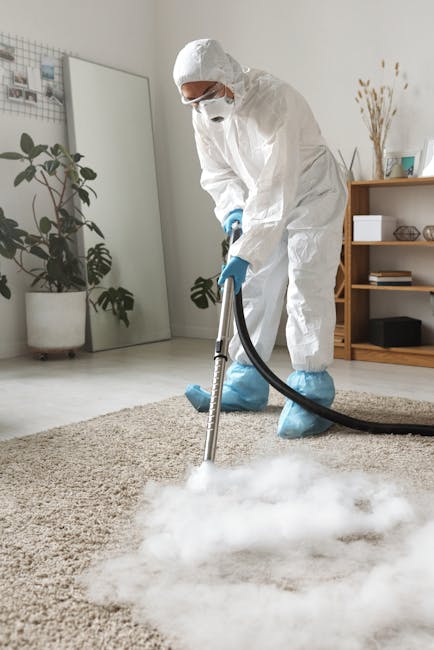
HA3 Estate Carpet Cleaning Best Practice Guide
If you live or manage property in HA3, carpet care can feel like one of those jobs that quietly gets worse the longer it is left. A hallway starts looking tired. Stairs pick up that grey traffic pattern. A living room smells a bit "closed in" after winter. The good news? With the right approach, estate carpet cleaning does not have to be disruptive, expensive, or guesswork-heavy.
This HA3 Estate Carpet Cleaning Best Practice Guide breaks down what good carpet cleaning looks like in real homes and shared buildings, why it matters, and how to plan it properly. Whether you are a homeowner, landlord, estate manager, letting agent, or facilities contact, the aim is the same: better results, fewer problems, and carpets that last longer. Let's face it, nobody wants a patchy clean or a damp smell lingering for days.
For readers comparing providers, it also helps to understand the practical side of service quality, insurance, and expectations. If you need company background before making a decision, you can review the team's about us page, and if you are checking service terms or booking conditions, the terms and conditions page is a useful stop.
Table of Contents
- Why HA3 Estate Carpet Cleaning Best Practice Guide Matters
- How HA3 Estate Carpet Cleaning Best Practice Guide Works
- Key Benefits and Practical Advantages
- Who This Is For and When It Makes Sense
- Step-by-Step Guidance
- Expert Tips for Better Results
- Common Mistakes to Avoid
- Tools, Resources and Recommendations
- Law, Compliance, Standards, or Best Practice
- Options, Methods, or Comparison Table
- Case Study or Real-World Example
- Practical Checklist
- Conclusion
- Frequently Asked Questions
Why HA3 Estate Carpet Cleaning Best Practice Guide Matters
Estate carpets get more wear than most people realise. In HA3, that often means a mix of family homes, shared entrances, flats, stairs, and communal spaces where dirt builds up fast. Shoes bring in grit. Pushchairs leave marks near hallways. Pets add another layer. And in winter, wet weather turns every entrance into a small mud-transfer zone.
Best practice matters because carpet cleaning is not just about appearance. It affects hygiene, odour control, asset life, slip risk, and resident satisfaction. A well-cleaned carpet can change how a property feels the moment someone walks in. A poorly cleaned one can create the opposite impression. That first impression? It sticks.
For landlords and estate managers, there is also a money angle. Regular, correct cleaning usually costs less than premature replacement. For tenants and householders, it can help with comfort and air freshness. For everyone, it reduces the annoying cycle of "it looked clean for two days, then the stains came back." That happens more often than people like to admit.
Expert summary: The best carpet cleaning result usually comes from matching the method to the carpet, the soil level, and the setting. One-size-fits-all cleaning sounds convenient, but in practice it is often the reason carpets stay wet too long, resoil quickly, or lose their texture.
How HA3 Estate Carpet Cleaning Best Practice Guide Works
Good estate carpet cleaning follows a simple logic: inspect, identify, treat, clean, dry, and review. That sounds obvious, but the details make all the difference. A quick vacuum is not the same as a proper clean. Likewise, over-wetting a carpet is not "more thorough"; it can be a shortcut to fibre distortion, backing damage, or a lingering smell that nobody asked for.
The process normally starts with a walk-through. You check the fibre type, the visible soiling, traffic patterns, stains, and any sensitive areas such as joins, edges, or stair nosings. After that, the cleaner chooses the method and chemistry accordingly. In a typical HA3 estate setting, you might see a mix of synthetic carpets in corridors and softer domestic carpet in flats, and those need different handling. Simple, but easy to get wrong.
There are two big variables that shape the result: soil type and drying conditions. Soil type includes dry grit, food spills, pet accident residue, grease, and general traffic dirt. Drying conditions include ventilation, temperature, humidity, and how much foot traffic the area will receive afterwards. If the area is busy, faster drying becomes more important than squeezing out every last drop of moisture with the wrong tool.
In practice, best-in-class cleaning is not a mystery. It is a sequence of sensible decisions made in the right order.
Key Benefits and Practical Advantages
There are real, everyday advantages to following a proper carpet cleaning standard. You see them quickly in shared hallways and communal areas, and you feel them at home too.
- Cleaner appearance for longer: Soil is removed more evenly, so the carpet keeps a fresher look.
- Improved odour control: Deep cleaning can reduce stale smells caused by trapped residue.
- Longer carpet lifespan: Regular maintenance helps fibres stay upright and reduces abrasive wear.
- Better guest and resident experience: A clean entrance or landing changes how a property is perceived.
- More predictable scheduling: Well-planned estate cleaning is easier to coordinate around residents and access.
- Less risk of bad outcomes: Correct moisture control helps avoid overwetting, wick-back, and slow drying.
There is also a quieter benefit: confidence. When you know a carpet has been cleaned properly, you stop second-guessing every mark or smell. That sounds small, but it makes a difference, especially in busy buildings where complaints can snowball over something as ordinary as a damp patch by the lift.
Who This Is For and When It Makes Sense
This guide is useful for anyone responsible for carpet condition in HA3 properties, but the priorities vary depending on the setting.
For landlords and letting agents
End-of-tenancy cleans, between-occupancy refreshes, and complaint prevention all rely on consistency. You need a service that understands what can be removed, what might be permanent damage, and how to document the work sensibly.
For estate and block managers
Communal carpets take a beating. Hallways, landings, entrance mats, and stair runners often need planned maintenance rather than reactive cleaning. A fixed cycle is usually better than waiting until the carpet looks obviously dirty.
For homeowners in HA3
If you have children, pets, or a busy household, your carpet probably needs more than occasional spot treatment. Kitchens and through-lounges can collect crumbs, dust, and the occasional mystery mark with no warning at all. One day it is clean; the next, there is a dark track by the sofa. Happens everywhere.
For housing associations and mixed-use buildings
Compliance, access planning, resident communication, and safety become more important. You are not just cleaning a floor covering. You are managing an environment where people need clear notice, minimal disruption, and a safe finish.
It makes sense to act before carpets become visibly damaged. Once a spill sets, fibre wear increases and cleaning becomes more complicated. Prevention is easier. Not always exciting, but definitely easier.
Step-by-Step Guidance
Below is a practical approach that reflects good carpet care standards for estate environments. It is deliberately straightforward, because overcomplicating this job tends to create avoidable mistakes.
1. Inspect the carpet first
Check the fibre type, colour consistency, stain history, traffic lanes, joins, and any signs of wear. Identify whether the carpet is loop pile, cut pile, synthetic, wool-rich, or a blended material. That matters because a strong solution that is fine on one fibre may be unhelpful on another.
2. Remove loose debris thoroughly
Vacuuming is not just a preliminary step. It is one of the most important parts of the job. Dry soil acts like sandpaper underfoot. If you skip it, you are cleaning around grit instead of removing it.
3. Test the method on a small area
A good cleaner will check how the fibres react to the chosen pre-treatment. This is especially sensible in older properties or on carpets with unknown history. A tiny test spot can save a bigger headache.
4. Pre-treat traffic lanes and stains
High-wear areas often need specific attention before the main clean. A hallway in a busy HA3 estate block, for example, may need more agitation along the central path than at the edges. Stains should be handled according to type, not guessed at. Coffee, grease, mud, and pet marks are all different beasts.
5. Choose the right cleaning method
Hot water extraction, low-moisture cleaning, encapsulation, bonnet cleaning, and dry compound systems all have their place. The right one depends on carpet type, soil load, access, and drying window. More on that in the comparison section below.
6. Control water and chemistry
Overuse of water or detergent causes residue, longer drying, and sometimes rebound staining. The aim is not to flood the carpet. The aim is to lift soil while keeping the fibres and backing stable.
7. Extract or remove as much moisture as appropriate
Drying time matters a lot in communal settings. Wet carpets in a busy stairwell can create inconvenience and, in some cases, temporary access issues. Good practice keeps that window as short as realistically possible.
8. Groom the pile and ventilate
Carpet grooming helps the pile settle in a uniform direction and can improve drying. Ventilation, open access paths, and air movement all help too. You can often smell the difference by evening; that clean, neutral finish is what you want, not a damp "cellar" note.
9. Check the result and note any issues
Review the carpet after cleaning. If a stain has lightened but not vanished, say so clearly. If there is pre-existing damage, make a note. Honest review is part of best practice, not a sign of failure.
Expert Tips for Better Results
A few practical habits consistently improve outcomes. These are the things that separate competent cleaning from genuinely reliable cleaning.
- Work from the cleanest area toward the dirtiest: This reduces cross-contamination and avoids dragging soil back across fresh sections.
- Use entrance matting properly: Good matting at doors can reduce how much grit reaches the carpet in the first place.
- Treat stains early: The longer a spill sits, the more likely it is to bond with the fibres or backing.
- Schedule around usage: In shared buildings, early mornings or quieter windows often work best.
- Keep a realistic drying plan: If access is needed the same day, low-moisture options may be more suitable than heavy wet cleaning.
- Know when to stop: Some marks are permanent. Pushing harder with chemicals can make them worse. That is annoying, but true.
One small but useful tip: always think about the carpet after the clean, not just during it. If residents will walk on it in socks, shoes, or with prams by lunchtime, the drying plan needs to match that reality.
And yes, a cup of tea nearby for the cleaner does not improve the chemistry, but it does help morale. Small mercies.
Common Mistakes to Avoid
Most carpet cleaning problems come from a handful of predictable mistakes. Once you know them, they are easy enough to spot.
- Using too much water: This can slow drying and make residue more likely.
- Over-applying detergent: Leftover cleaning product can attract dirt faster.
- Ignoring fibre type: Different carpets need different handling.
- Skipping vacuuming: Dry soil is abrasive and should be removed first.
- Rushing stain treatment: Hasty scrubbing can spread the mark or damage the pile.
- Not protecting recently cleaned areas: Foot traffic too soon can undo a lot of good work.
- Assuming one method suits everything: It often does not, truth be told.
Another common issue is trying to make a carpet look perfect at any cost. That sounds admirable until you realise the cleaner has over-wetted a stair runner or used a harsh spotter that leaves a pale patch. Better to have a clean, even result than a dramatic but damaged one.
Tools, Resources and Recommendations
You do not need a mountain of kit to do carpet cleaning well, but the right tools help a lot. The basics depend on the job, yet a professional setup often includes the following:
- Commercial vacuum with strong edge cleaning
- Pre-spray applicator
- Spotting kit for food, oil, and protein-based stains
- Extraction machine or low-moisture cleaning system
- Microfibre cloths and absorbent towels
- Air movers or fans for quicker drying where suitable
- Carpet grooming brush or rake
- Protective pads or signage for managed access
For anyone arranging a service, practical support pages can be handy. If you need to understand how bookings are handled, take a look at the pricing and quotes information. If you want to know how data is treated when making an enquiry, the privacy policy is worth a glance. For payment-related reassurance, the payment and security page explains the basics in plain terms.
It is also sensible to check a provider's insurance and safety position before work begins, especially in shared properties where access, equipment, and resident movement all need care.
Law, Compliance, Standards, or Best Practice
Carpet cleaning is not usually a heavily regulated activity in itself, but estate settings bring responsibilities around safety, access, and sensible working practice. In the UK, the expectation is generally that work is carried out with due care, proper risk awareness, and respect for residents and property.
For landlords, agents, and managers, that means a few straightforward things: use competent contractors, keep communication clear, and avoid creating hazards during or after cleaning. Wet floors, trailing hoses, blocked exits, and poor ventilation can all become issues if no one plans ahead. Nothing exotic there, just ordinary common sense done properly.
A good provider should also have working practices that align with general health and safety expectations. If you want to see how a business frames this, the health and safety policy page gives a useful sense of its approach. In shared or managed buildings, this is not just paperwork. It is part of keeping residents, staff, and visitors comfortable and safe.
Environmental practice can matter too. Cleaning chemistry, water use, and waste handling should all be considered with some care. If sustainability is important to you or your building, you may find the recycling and sustainability page helpful for understanding broader service values.
If anything ever goes wrong, a clear complaints route is a sign of an organised provider, not a weakness. The complaints procedure page helps set expectations in a practical way.
Options, Methods, or Comparison Table
Different carpet cleaning methods suit different estate situations. There is no magic winner for every job, which is why a method comparison is useful before booking.
| Method | Best for | Strengths | Possible drawbacks |
|---|---|---|---|
| Hot water extraction | Deep cleaning on many synthetic carpets | Strong soil removal, good for general refreshes | Longer drying time if not controlled well |
| Low-moisture cleaning | Busy communal areas and quicker turnarounds | Faster drying, less disruption | May need more frequent maintenance |
| Encapsulation | Regular maintenance cleaning | Useful for keeping soil from building up | Not always ideal for heavily soiled carpets |
| Bonnet cleaning | Surface refresh in commercial-style settings | Quick cosmetic improvement | Can miss deeper soil if used alone |
| Dry compound cleaning | Sensitive areas or moisture-limited spaces | Very low water usage | Less suitable for deep extraction needs |
For most HA3 estate situations, the best choice depends on the carpet condition, access, and how quickly the area must return to use. A corridor that must be reopened the same afternoon is not the same as a vacant flat with plenty of drying time. The context drives the method.
Case Study or Real-World Example
Here is a realistic example from a typical estate-style setting, without dressing it up too much.
A managing agent responsible for a small block in HA3 notices that the entrance hall and first-floor landing look dull again only months after the last clean. The carpet is still intact, but there are obvious traffic lanes and a faint stale smell near the main entrance. Residents have started commenting, and one person mentions muddy shoe marks showing up again almost immediately after rain. Very familiar, that.
Instead of booking a quick cosmetic clean, the cleaner inspects the fibre type, checks the matting at the entrance, and identifies that the main problem is dry soil plus repeated moisture from footwear. The plan becomes: thorough vacuuming, targeted pre-treatment in the entry path, controlled low-moisture cleaning, and improved drying with ventilation. Stair edges are treated more carefully because they show wear first.
The result is not miraculous. It is better than that: even, cleaner, and more durable. The carpet looks fresher, the smell lifts, and the managing agent can recommend a maintenance cycle instead of waiting until the next complaint. That is the kind of improvement that pays off quietly over time.
The lesson? The right clean is usually the one that fits the actual building, not the fanciest option on paper.
Practical Checklist
Use this checklist before, during, or after an estate carpet clean in HA3.
- Confirm the carpet type and condition
- Identify traffic lanes, stains, and edge wear
- Vacuum thoroughly before any wet work
- Choose the method based on carpet, access, and drying window
- Use the least aggressive approach that still achieves the goal
- Test spotters on a small hidden area first
- Manage moisture carefully to avoid overwetting
- Allow for adequate drying and ventilation
- Protect fresh areas from early foot traffic
- Record any pre-existing damage or stubborn marks
- Check whether follow-up cleaning or stain treatment is needed
- Review the result with the building's usage pattern in mind
If you want the simple version: inspect properly, clean gently but thoroughly, dry well, and do not rush the finish. That formula works more often than people expect.
Conclusion
Estate carpet cleaning in HA3 works best when it is treated as planned maintenance, not an emergency reaction. The right method, the right moisture level, and the right expectations all matter. Do that well, and carpets look better for longer, residents stay happier, and the property feels more cared for the moment someone walks in.
There is no need to overcomplicate it. Good carpet care is usually a set of disciplined small decisions: vacuum thoroughly, choose the right process, dry responsibly, and keep communication clear. Simple on paper, yes. But in real buildings, that simple approach is often what saves the day.
If you are comparing options, checking service standards, or planning a clean for a home or estate in HA3, start with the basics: ask the right questions, understand the method, and make sure the provider is transparent about safety, pricing, and access. A little due diligence now saves a lot of fuss later.
Get a free quote today and see how much you can save.
And if you want to learn more about the business behind the service, the about us page is a good place to begin. Sometimes the quiet details tell you the most.
Frequently Asked Questions
What does estate carpet cleaning usually include?
Estate carpet cleaning usually includes inspection, vacuuming, pre-treatment, the chosen cleaning method, moisture control, drying support, and a final check. In shared buildings, it may also include attention to entrances, stairs, and landing areas that get heavier foot traffic.
How often should carpets in an estate be cleaned?
It depends on foot traffic, carpet type, and how the building is used. Busy communal areas generally need more regular maintenance than quiet private rooms. A planned schedule is usually better than waiting until the carpet looks obviously dirty.
Is hot water extraction always the best method?
No, not always. It is effective for many carpets, but some situations are better suited to low-moisture or dry methods. The right method depends on fibre type, drying time, and how busy the area is after cleaning.
How long does carpet drying usually take?
Drying time varies widely depending on the method, ventilation, room temperature, and how much moisture was used. Low-moisture systems usually dry faster, while deeper extraction methods may need more time. Good airflow helps either way.
Can all stains be removed?
Not all stains can be fully removed. Some marks are permanent because they have damaged the fibre or dye. A good cleaner will explain what can be improved and what may remain visible rather than promising miracles.
What should I do before a carpet cleaner arrives?
Clear smaller items from the area, identify problem spots, and make sure access is arranged. If there are fragile objects, cables, or restricted areas, those should be flagged in advance so the clean can be carried out safely and efficiently.
Is carpet cleaning disruptive in shared buildings?
It can be if it is poorly planned, but it does not have to be. With proper scheduling, signage, and the right cleaning method, disruption can be kept to a sensible minimum. Communication is a big part of that.
How do I know if a cleaner is using the right amount of water?
The carpet should not feel soaked, should dry in a reasonable time, and should not leave a damp, heavy smell. Overwetting often leads to long drying times or residue. If in doubt, ask what method they are using and why it suits the carpet.
Do I need insurance for estate carpet cleaning work?
If the work is being done by a provider, it is sensible to confirm that they have appropriate insurance and safety arrangements. In communal or managed settings, this is especially important because there are more people, more access points, and more potential for accidental damage.
What is the difference between deep cleaning and maintenance cleaning?
Deep cleaning targets embedded soil and heavier contamination. Maintenance cleaning is lighter, more frequent, and helps stop grime from building up in the first place. Most estates benefit from a mix of both over time.
How can I get better results from my carpet cleaning budget?
Focus on prevention and planning. Use entrance mats, clean high-traffic areas regularly, and choose the cleaning method that fits the situation. Also, compare transparent service information and make sure the quote reflects the actual condition of the carpets rather than a rough guess.
Where can I check service details before booking?
You can review the provider's pricing and quotes, terms and conditions, and contact us information to understand the next steps. If safety matters in your building, the insurance and safety page is also worth checking.