Harrow on the Hill Rug Cleaning Care Tips: Practical Advice for Cleaner, Longer-Lasting Rugs
If you live in Harrow on the Hill, you already know how quickly a lovely rug can start to look tired. One muddy school-run morning, a rainy walk back from the station, or a cup of tea knocked over just as you settle on the sofa can change everything. That is exactly why Harrow on the Hill rug cleaning care tips matter: they help you protect the fibres, keep colours looking sharp, and make professional cleaning work harder for you.
This guide is written to be genuinely useful, not just neat on paper. You will find simple daily habits, stain-response advice, deeper cleaning guidance, and a few judgement calls that save people from costly mistakes. We will also cover when it makes sense to book a specialist service, how different rug materials behave, and what good practice looks like in a home or rental setting. A rug is not just decor, after all. It is a piece that takes the brunt of real life.
Why Harrow on the Hill Rug Cleaning Care Tips Matters
Rugs do a lot more than soften a room. They catch grit from shoes, hold onto dust from open windows, and absorb everyday spills before you have time to react. In a place like Harrow on the Hill, where homes often combine older character with modern living, rugs can be especially important because they sit in busy hallways, front rooms, and family spaces that see constant use.
Good care matters because a rug rarely fails all at once. It usually declines slowly: one traffic lane turns dull, a corner curls, a stain sets a little deeper each week, and before long the whole piece looks older than it is. Truth be told, that slow decline is what catches people out. By the time the damage is obvious, some of it is harder to reverse.
There is also a money angle. A well-maintained rug lasts longer, needs less aggressive treatment, and is less likely to need replacement after a single mistake with a harsh cleaner. If you are preparing a property for sale or rental, that matters even more. A fresh, tidy rug can quietly lift the feel of a whole room. It does not shout. It just works.
For broader home care and local cleaning support, it can help to look at related services such as carpet cleaning in Harrow and the wider services overview, especially if you are planning care across several soft furnishings at once.
How Harrow on the Hill Rug Cleaning Care Tips Works
The idea behind rug care is simple: reduce soil build-up, respond quickly to spills, and clean in a way that matches the rug's fibre, construction, and dye stability. That last part matters a lot. Wool, synthetic fibres, silk blends, flatweaves, shaggy rugs, and antique pieces all behave differently. A one-size-fits-all approach is where people get into trouble.
At a practical level, rug care follows four stages:
- Prevention: stop as much grit and moisture reaching the rug as possible.
- Routine maintenance: vacuum, rotate, shake, and spot-check regularly.
- Targeted stain response: deal with fresh marks quickly and carefully.
- Deep cleaning: use the right method, at the right time, for the right rug.
The first stage is often overlooked. Little bits of grit act like sandpaper underfoot, and that friction slowly breaks down fibres. So yes, a rug can look clean while still being worn by the dirt you cannot see. A bit annoying, but that is the reality.
Professional cleaning usually enters the picture when household cleaning is no longer enough, or when the rug is valuable, delicate, or heavily soiled. If you are comparing options, the local upholstery cleaning Harrow page can also be useful because many homes need both rugs and upholstery cared for at the same time.
Key Benefits and Practical Advantages
Strong rug care gives you more than a tidy floor. It improves day-to-day comfort, protects your investment, and helps your home feel cleaner overall. Here are the main benefits people notice first.
- Longer rug life: fibres stay stronger when dirt is removed before it grinds them down.
- Better appearance: colours stay brighter and the pile looks more even.
- Reduced odours: food spills, dampness, and pet smells are less likely to linger.
- Healthier indoor feel: less dust and debris means less everyday build-up in the room.
- Lower risk of permanent staining: quick action often means the difference between a mark and a memory.
- Improved resale or rental presentation: especially useful if you are preparing a home for viewers or tenants.
There is also a practical comfort benefit that people forget. A well-kept rug feels nicer underfoot. It does not crunch with grit, smell stale after a wet week, or look flat and lifeless in daylight. That sounds small, but small things add up in a home.
If your rug care is part of a bigger house reset, you may also find the local domestic cleaning Harrow and house cleaning Harrow services relevant, especially when you want the whole property to feel sorted, not just the rug in isolation.
Who This Is For and When It Makes Sense
These rug care tips are for anyone who wants their rugs to last, but they are especially useful for a few groups.
- Homeowners: if you want your living space to stay fresh and comfortable.
- Renters: if you need to avoid damage charges or keep your place looking respectable.
- Landlords and letting agents: if you want consistent presentation between tenancies.
- Families with children: because spills, crumbs, and muddy shoes are basically part of the job.
- Pet owners: because fur, dander, and the occasional accident need a sensible plan.
- Anyone with a valuable or handmade rug: because handmade pieces often need gentler treatment than people expect.
It makes sense to focus on care tips when you notice a rug starting to dull, when a stain happens, or when you are planning a deeper clean before a seasonal change. Spring and autumn are common times to do this because windows open more, humidity shifts, and people notice the room more clearly in natural light.
If you are moving home, getting ready for viewings, or clearing a property after a tenancy, it may also be worth reading the local end of tenancy cleaning Harrow information alongside rug care. The two often go hand in hand.
Step-by-Step Guidance
Here is a straightforward routine that works for most rugs in everyday homes. It is not flashy, but it is dependable. And that is usually what matters.
1. Identify the rug type before you do anything else
Check whether the rug is wool, synthetic, silk, cotton, jute, viscose, or a blend. If you are not sure, look for a care label, purchase notes, or any manufacturer guidance. If the rug is handmade, antique, or feels fragile, assume it needs a gentler touch.
2. Vacuum with care
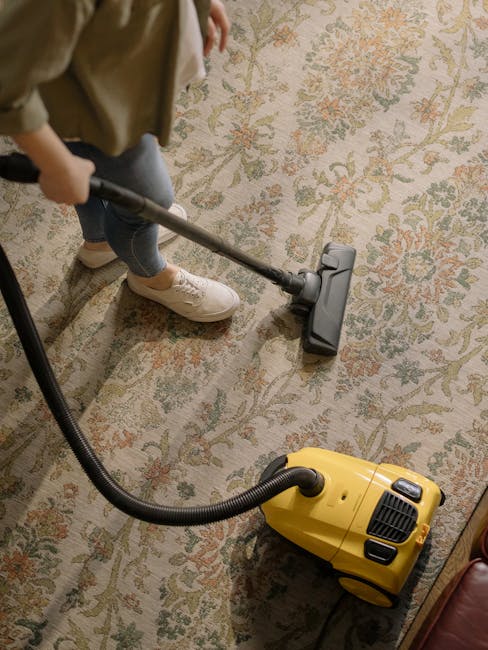
Vacuum regularly, but do not attack the rug like you are cleaning a builder's site. Use a suitable suction setting and avoid harsh beater-bar action on delicate rugs. For fringe areas, use a lower setting or a hand tool. Fringes can catch and fray quickly if you get too enthusiastic.
3. Rotate the rug
Turn the rug every few months so wear and fading are spread more evenly. This is especially helpful in hallways, near patio doors, or under a favourite armchair where one corner gets most of the pressure.
4. Respond to spills immediately
Blot, do not rub. That really is the golden rule. Use a clean white cloth or paper towel and work from the outside of the spill inward. If you scrub, you can push the stain deeper or rough up the fibres. Not ideal.
5. Test any cleaning solution first
Before using even a mild cleaner, test it on a hidden area. Wait for the patch to dry. Some dyes bleed slowly, so instant results do not always tell the full story.
6. Dry properly
After spot cleaning, make sure the area dries thoroughly. Lift the rug if needed, improve airflow, and keep it away from damp flooring. Persistent moisture can cause odour, rippling, or in some cases mould growth. That is the kind of problem nobody wants on a Sunday afternoon.
7. Plan a deeper clean when needed
For routine wear, a professional deep clean may be the safest option, especially on larger, older, or more delicate rugs. If the piece is valuable or sentimental, do not guess. Ask for a method that suits the material rather than forcing a generic solution.
Expert Tips for Better Results
Some rug care advice sounds obvious until you realise most people do the opposite when they are in a hurry. Here are the small habits that make a real difference.
- Use entrance mats: they stop a surprising amount of grit at the door.
- Deal with odours early: if a rug starts to smell faintly musty, do not wait for it to become obvious.
- Mind the sunlight: bright windows can fade colours over time, especially on natural dyes and older rugs.
- Do not soak the backing: oversaturating a rug can damage adhesives, underlay, or backing fibres.
- Keep furniture feet protected: heavy table legs can crush pile into permanent dents.
- Use a rug pad where suitable: it helps with grip, airflow, and wear reduction.
- Act early on pet incidents: pet urine is far more difficult once it has dried into fibres and underlay.
One small thing that helps more than people expect: lift the rug and look underneath every so often. Dust, crumbs, and grit gather there quietly. You might be surprised. The room can look perfectly fine and still be harbouring a little mess underneath.
If you are thinking about broader property upkeep in the area, the local blog archive is useful too, including pieces such as Harrow from a resident's perspective and the charms of Harrow, which help place home care in the wider local context.
Common Mistakes to Avoid
Most rug damage comes from good intentions. That sounds harsh, but it is true. People want to fix a stain quickly, so they grab the nearest bottle and hope for the best. Then the problem gets bigger.
- Scrubbing spills aggressively: this can spread staining and damage pile structure.
- Using bleach or strong household chemicals: these can strip colour or weaken fibres.
- Ignoring the rug material: a wool rug is not the same as a synthetic hallway runner.
- Letting moisture sit: damp fibres can smell, stretch, or develop staining around the edges.
- Cleaning only the visible patch: this can leave tide marks or uneven appearance.
- Over-vacuuming delicate fringe: yes, you can absolutely damage it by being too keen.
- Waiting too long: old stains are always harder, sometimes much harder, to remove safely.
A common one in busy homes is trying to clean a rug while people keep walking on it. Simple, but it happens. If you can, isolate the area until it is fully dry. Otherwise you risk re-soiling the exact same patch before the clean has even finished.
Tools, Resources and Recommendations
You do not need a cupboard full of specialist gear to care for a rug properly. In many homes, a small set of sensible tools is enough.
| Tool or Item | Best Use | Helpful Note |
|---|---|---|
| Vacuum with adjustable suction | Routine dust and grit removal | Use a gentler setting on delicate rugs |
| White microfibre cloths | Blotting spills and mild spot cleaning | White cloths make transfer easier to spot |
| Soft brush | Light grooming and lifting dirt from pile | Avoid stiff bristles on fragile fibres |
| Rug pad | Grip and friction reduction | Also helps with wear and floor protection |
| Fan or open airflow | Drying after spot treatment | Better than leaving a damp patch to sit overnight |
As for recommendations, the safest rule is to match the cleaning method to the rug. Dry soil removal first, gentle spot treatment second, deep cleaning only when needed. If you are unsure, seek a professional opinion rather than guessing. That advice sounds cautious because it is.
For people comparing cleaning services across the home, the local office cleaning Harrow page can also be useful if you manage a workspace with rugs or entrance mats that need regular attention. It is a different setting, but the same principles apply.
Law, Compliance, Standards, or Best Practice
For most households, rug care is not a heavily regulated activity, but there are still sensible standards worth following. In the UK, good practice generally means using cleaning products safely, following manufacturer instructions where available, and avoiding methods that could create damage or nuisance for others in the property.
If you are a landlord, letting agent, or property manager, documentation matters more than people think. Keeping a note of the rug's condition before and after cleaning can help avoid confusion later. That is especially true when rugs are part of a furnished tenancy. In plain English: take a few photos, note obvious wear, and keep things tidy on paper as well as on the floor.
From a safety angle, avoid creating slip hazards with wet rugs, do not leave electrics close to damp cleaning areas, and make sure any cleaning process is suitable for the room's ventilation. If a professional company is involved, it is sensible to check that they have appropriate insurance and follow proper health and safety procedures. The relevant local pages on insurance and safety and the health and safety policy can help set expectations around that side of the job.
There is also a trust angle for customers. Clear pricing, clear service descriptions, and straightforward complaint handling are all part of a professional experience. If you want to understand those basics before booking anything, the pages on pricing and quotes, complaints procedure, and payment and security are all sensible places to look.
Options, Methods, or Comparison Table
Different rugs need different care. If you are deciding how to approach a cleaning job, this comparison should help you think it through without overcomplicating matters.
| Method | Best For | Advantages | Watch Out For |
|---|---|---|---|
| Vacuuming and regular maintenance | Most everyday rugs | Quick, low risk, prevents build-up | Won't remove deep stains or trapped odours |
| Spot cleaning | Fresh spills and small marks | Fast response, minimal disruption | Can leave marks if too much water or product is used |
| Dry cleaning methods | Some delicate rugs and low-moisture situations | Less water exposure, useful for sensitive fibres | Not suitable for every stain or construction |
| Professional deep cleaning | Heavily used, valuable, or large rugs | More thorough, better for embedded dirt | Must be matched carefully to the rug type |
For many homes, the best answer is not one method forever. It is a mix. Routine maintenance keeps the rug in shape, spot cleaning handles life's little accidents, and professional care steps in when the rug needs a proper reset. Simple, really.
If your rug care is part of a bigger move, sale, or spring refresh, the local guides on selling your home in Harrow and property investments in Harrow can provide useful context for presentation and maintenance decisions.
Case Study or Real-World Example
Here is a realistic example from an ordinary Harrow home rather than a dramatic makeover story. A family with two children and a dog had a light-coloured rug in the living room. Nothing exotic. The rug sat near the sofa, got daily foot traffic, and had picked up the usual mix of crumbs, pet hair, and a couple of old drink marks.
For a while, they only vacuumed the visible areas. That kept it looking decent from a distance, but the centre patch started to flatten and the edges collected dust. One day they noticed the room smelled slightly stale after the windows were closed. Nothing awful, just enough to be annoying.
They changed a few habits: used a rug pad, rotated the rug, vacuumed slowly with the right attachment, and blot-cleaned fresh spills instead of leaving them for later. They also stopped using a strong all-purpose cleaner on every mark, which, to be fair, is a very common mistake. After that, the rug held its colour better and the room felt fresher.
The important bit is not that the rug became perfect. It did not. It just stopped getting worse. That is often the real win with rug care. You are not chasing showroom perfection every week. You are preventing a slow slide into shabby.
Practical Checklist
Use this quick checklist to keep rug care simple and consistent.
- Vacuum regularly with the right suction setting.
- Check the rug type before using any cleaning solution.
- Blot spills immediately with a clean white cloth.
- Test products on a hidden area first.
- Rotate the rug every few months.
- Keep the rug as dry as possible during spot cleaning.
- Let the rug dry fully before foot traffic returns.
- Use a rug pad where suitable.
- Inspect for wear, fading, fraying, or odour build-up.
- Arrange professional cleaning for delicate, valuable, or heavily used rugs when needed.
Expert summary: The best rug care is usually boring in the nicest possible way. Clean lightly, act early, avoid harsh chemicals, and choose the least risky method that still solves the problem.
If you want a fuller view of the business behind the service, the about us page and the broader blog are useful for understanding the approach and local focus. There is also a helpful neighbourhood read in this Pinner High Street carpet cleaning guide, which shares nearby local context that many Harrow readers will recognise.
Get a free quote today and see how much you can save.
Conclusion
Good rug care in Harrow on the Hill is not about being fussy. It is about being practical. A little prevention, a quick response to spills, and the right cleaning method at the right time can keep a rug looking better for longer and save you from avoidable damage. That applies whether the rug is a hallway runner, a living room centrepiece, or a piece with sentimental value.
If you remember only one thing, make it this: treat the rug gently, but do not neglect it. Regular attention beats rescue missions every time. And if the rug feels too delicate, too valuable, or too far gone for home methods, that is usually the moment to step back and choose the safer path.
With the right approach, your rug can keep doing its job quietly in the background, making the room feel warmer, tidier, and more lived-in in the best possible way. That's a good result, really.
Frequently Asked Questions
How often should I clean a rug in a busy Harrow on the Hill home?
Most busy homes benefit from regular vacuuming weekly, with spot checks in between. Deeper cleaning depends on use, fibre type, pets, and spill history. A hallway rug or family-room rug usually needs attention more often than a decorative piece in a quiet room.
What is the safest way to remove a fresh stain from a rug?
Blot it gently with a clean white cloth, working from the outside toward the centre. Avoid scrubbing. If needed, use a mild, suitable cleaner after testing it on a hidden area first. The safest approach is usually the least dramatic one.
Can I use a carpet cleaner on a rug?
Sometimes, but not always. Rugs vary a lot more than wall-to-wall carpet. What works on synthetic carpet may be too wet or too harsh for wool, silk blends, or handmade rugs. Always check the rug type and test carefully before using any machine or solution.
Why does my rug still look dull after vacuuming?
Vacuuming removes loose dirt, but it will not always lift embedded soil, residue, or flattened pile. Dullness can also come from traffic wear or light fading. If the rug still looks flat after maintenance, a deeper clean or professional assessment may be the next sensible step.
How do I stop a rug from slipping on hard flooring?
A good rug pad is usually the best answer. It improves grip, reduces wear, and can help the rug sit flatter. This matters a lot in hallways or on polished floors where movement can become annoying and, frankly, a bit unsafe.
Are wool rugs harder to clean than synthetic rugs?
Wool rugs are not necessarily harder, but they do need more care and judgement. They can shrink, felt, or react badly to harsh cleaning if treated carelessly. Synthetic rugs are often more forgiving, but they still need the right method if you want a proper result.
What should I do if my rug smells damp?
Check for moisture trapped underneath, improve airflow, and avoid covering the rug until it is fully dry. Damp smells can come from spills, humidity, or underlay moisture. If the smell lingers, deeper cleaning may be needed to address the source rather than masking it.
Is it worth getting a professional clean for an older rug?
Often yes, especially if the rug has sentimental value, visible build-up, or delicate fibres. A good professional can judge the material and choose a safer method than a generic household approach. If the rug is fragile, the risk of DIY mistakes is usually greater than the cost of caution.
Can regular care help with pet hair and odours?
Yes. Frequent vacuuming, prompt spot treatment, and occasional deeper cleaning can make a real difference. Pet odours are easier to manage if you deal with them early. Once they settle into the backing or underlay, they become much more stubborn.
How do I know when a rug needs professional attention?
If the rug has persistent stains, a lingering smell, uneven colour, heavy traffic wear, or you simply are not sure how delicate it is, that is a good sign to seek professional help. It is better to pause than to make a reversible problem into a permanent one.
Do I need different care for decorative rugs and everyday rugs?
Yes. Decorative rugs can sometimes be cleaned more lightly because they do not face constant foot traffic, while everyday rugs need more frequent maintenance. The key is to match the routine to the amount of use, not just the appearance.
What is the biggest mistake people make with rug cleaning?
Using too much water or too much product is probably the biggest one. People often think more cleaning strength will fix the problem faster, but it can leave residue, cause dye issues, or damage the backing. Gentle and targeted usually wins.